¿Qué significa para los compradores de aluminio la revisión de los estándares de la industria del cobre y el aluminio por parte de China?
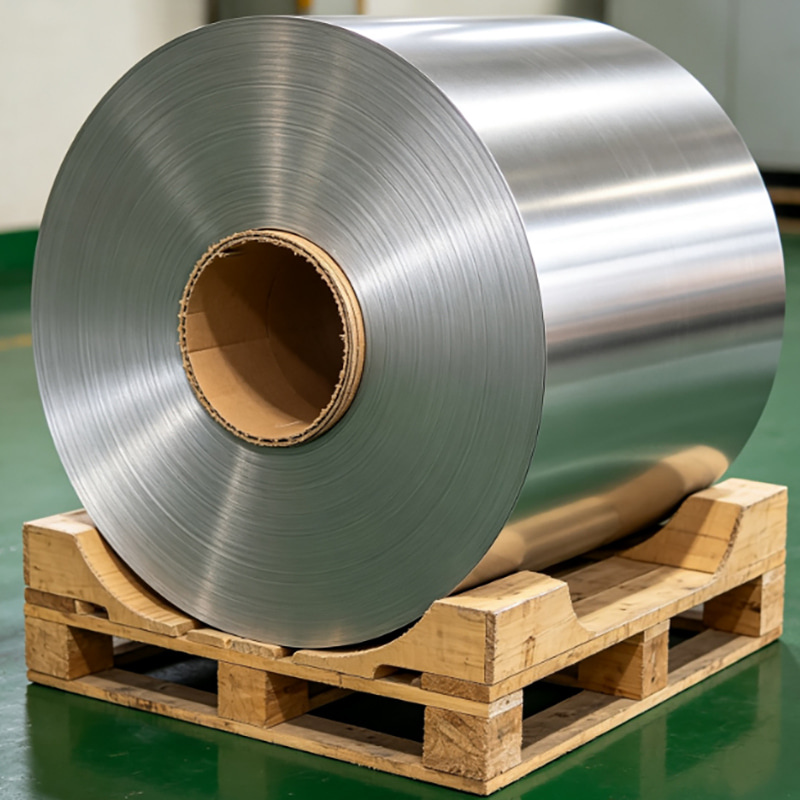
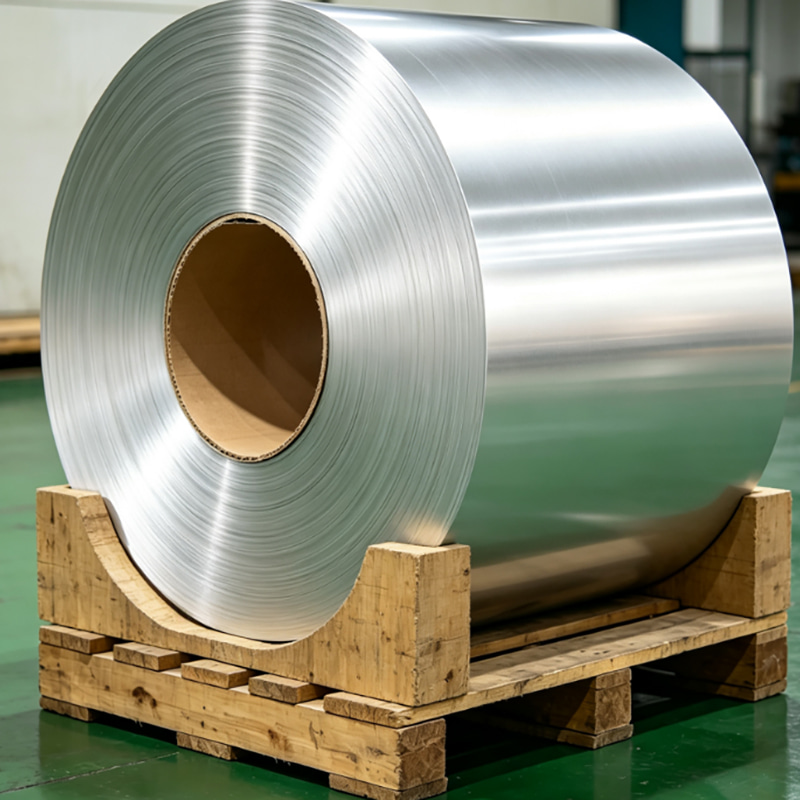
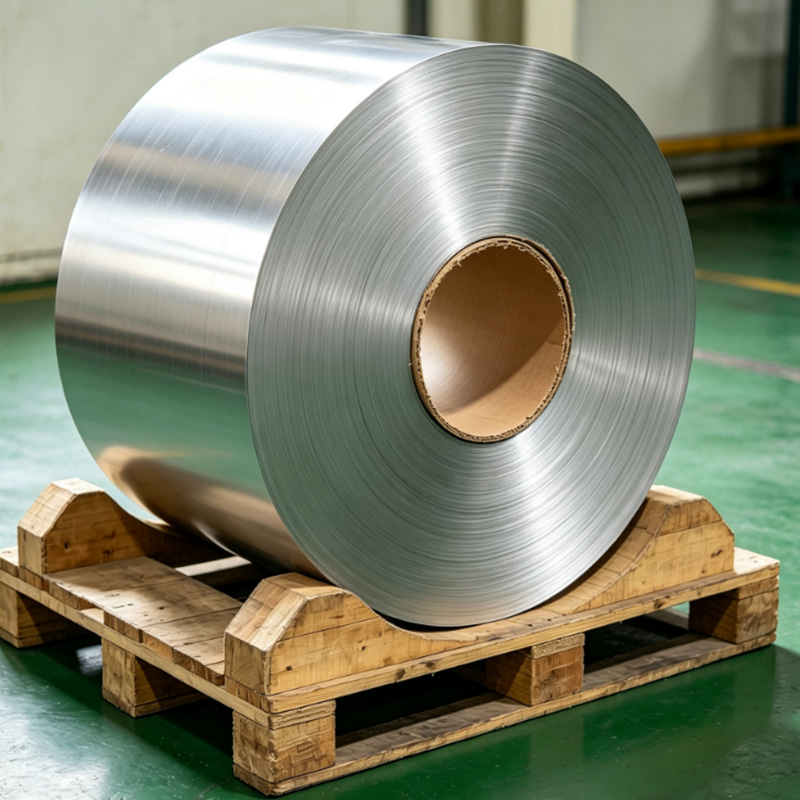
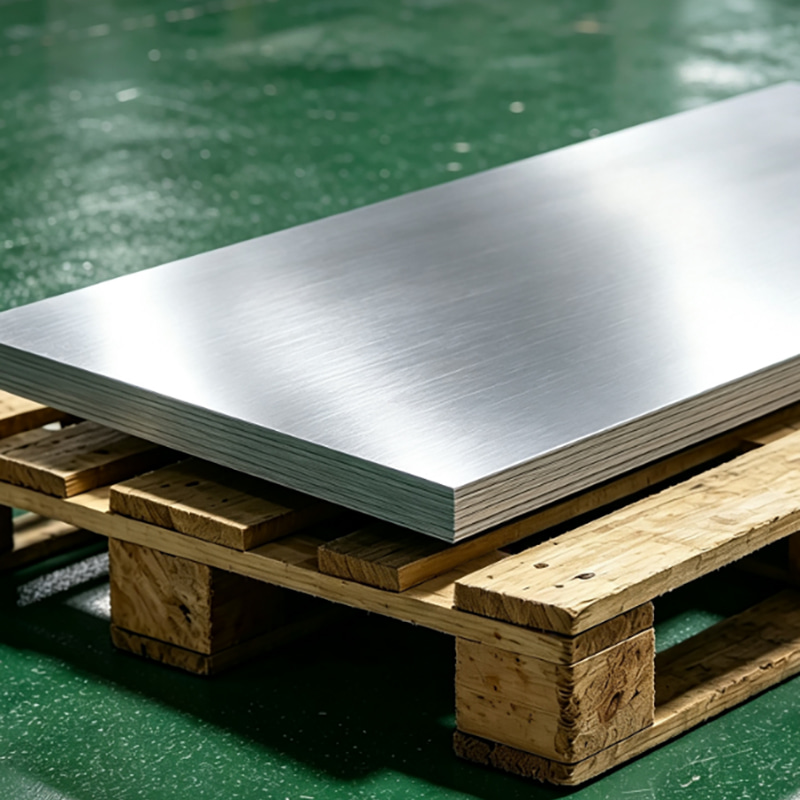
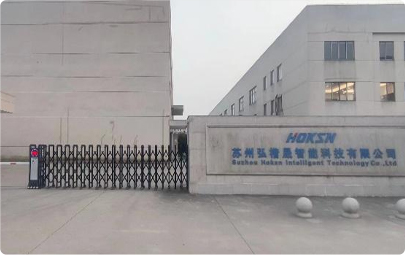
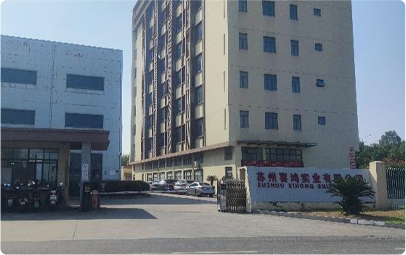
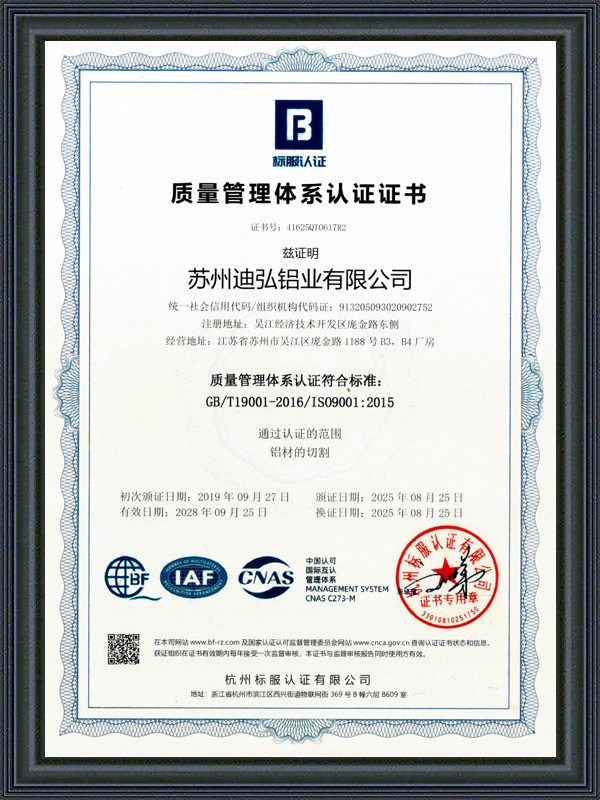
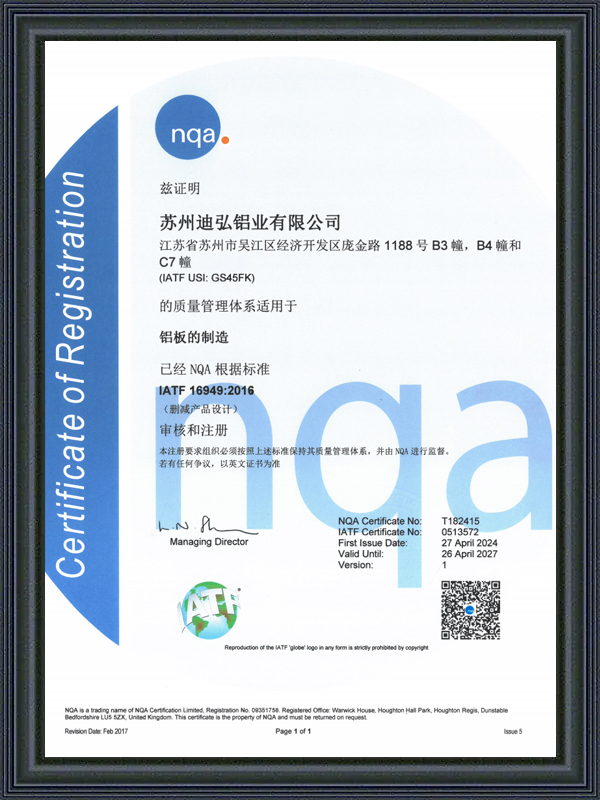
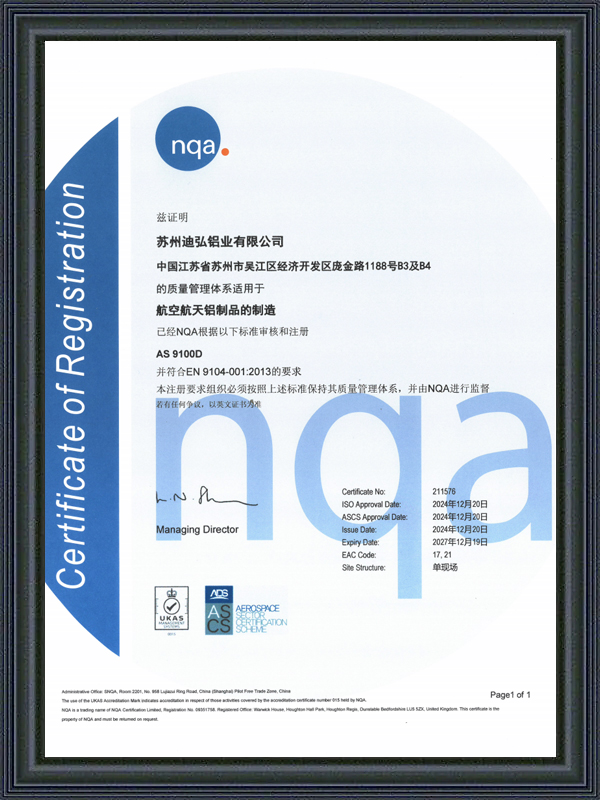
El 20 de octubre de 2026, la Oficina de Información del Consejo de Estado celebró una conferencia de prensa sobre el desarrollo industrial y de TI de China en los primeros tres trimestres del año. Para el sector de los metales no ferrosos, el titular era claro: el Ministerio de Industria y Tecnología de la Información (MIIT) revisará los estándares industriales y los requisitos de entrada para el cobre, el aluminio y los sectores relacionados, con el firme objetivo de frenar la duplicación de construcciones de bajo nivel. En Suzhou Dihong Aluminium hemos seguido de cerca el anuncio, porque los estándares de la industria del aluminio de China determinan la forma en que nuestros clientes eligen y califican a los proveedores. ¿Qué anunció el MIIT para la industria de los metales no ferrosos? El portavoz del MIIT, Tao Qing, que también dirige la Oficina de Coordinación y Monitoreo de Operaciones del ministerio, dijo que el ministerio seguirá trabajando en el crecimiento estable y la transformación industrial para apoyar el desarrollo de alta calidad de metales no ferrosos. El trabajo se centra en tres prioridades. 1. Orientación política más sólida Implementar el XV Plan Quinquenal para materias primas y los planes de desarrollo de alta calidad para aluminio y cobre. Elaborar un plan de innovación y desarrollo para la industria del magnesio Coordinar políticas entre departamentos para ampliar el uso de productos de calidad en nueva energía, equipos de alta gama y la economía de baja altitud. 2. Modernización industrial más rápida Llevar a cabo importantes programas de nuevos materiales e impulsar avances tecnológicos clave en materiales de alta gama. Aprovechar al máximo la plataforma de servicios públicos verdes y con bajas emisiones de carbono para la industria Publicar una guía de implementación para "metales no ferrosos de IA" y una guía para construir el sistema de estándares de la industria. 3. Gobernanza de la capacidad más estricta Monitorear y advertir sobre riesgos de capacidad para productos clave. Hacer cumplir estrictamente la política de reemplazo de capacidad de aluminio electrolítico. Controlar estrictamente la nueva capacidad de fundición de alúmina y cobre Revisar los estándares de la industria y los requisitos de entrada para el cobre, el aluminio y otros sectores para frenar la duplicación de construcciones de bajo nivel y construir un mercado justo, saludable y ordenado. ¿Por qué son importantes la seguridad, la coherencia y la fabricación inteligente? El mismo informe también abarcó la calidad de fabricación de manera más amplia. El ingeniero jefe del MIIT, Wang Weiming, describió la seguridad como el salvavidas y la competitividad central de los fabricantes de automóviles y dijo que ninguna actividad de I+D debería realizarse a expensas de la seguridad. El ministerio planea acelerar la redacción y revisión de las normas relacionadas, reforzar los controles sobre la consistencia de la producción y las instituciones de prueba, y supervisar toda la cadena desde la entrada al mercado hasta la inspección posterior. Wang también describió un impulso a la inteligencia industrial: construir conjuntos de datos industriales de alta calidad, desarrollar modelos industriales especializados y probar la IA industrial en programación inteligente, ajuste de parámetros, detección de defectos y mantenimiento de equipos, con aplicaciones probadas implementadas una a la vez. ¿Qué significa esto para los compradores de aluminio? El texto detallado de las normas revisadas aún no se ha publicado, por lo que es demasiado pronto para decir qué requisitos técnicos cambiarán. La dirección, sin embargo, es fácil de leer. La capacidad se gestionará de forma más estricta y los sistemas de calidad, la coherencia y la trazabilidad contarán más que el mero volumen. Para los compradores de láminas de aluminio, bobinas, perfiles de extrusión y piezas mecanizadas, vemos tres pasos prácticos: Solicite a los proveedores certificados de fábrica e informes de pruebas mecánicas para cada lote crítico. Confirme que el sistema de calidad del proveedor cubra su industria, como la automotriz o la de equipos de precisión. Verifique que la química y el temple de la aleación sean estables de un lote a otro, especialmente para piezas conformadas o mecanizadas. Estas comprobaciones son importantes para todos los grados, desde aleaciones de láminas generales hasta aleaciones estructurales. nuestra guía para propiedades del aluminio 5052 muestra cómo los datos de composición, temperamento y prueba se traducen en resultados de fabricación reales. ¿Cómo está respondiendo Dihong Aluminium? Fundada en 2014, Suzhou Dihong Aluminium ha pasado de ser un distribuidor de aluminio a una empresa que combina el suministro de aluminio, la extrusión, el mecanizado CNC y el estampado de precisión. Operamos bases de producción en Huishan, Wuxi y Wujiang, Suzhou, y prestamos servicios en electrónica, energía fotovoltaica, vehículos de nueva energía, equipos médicos y aeroespaciales de 3C. Como proveedor de láminas y bobinas de aluminio, ofrecemos series 6061, 5052, 7075 y otras aleaciones, para que los clientes puedan controlar la calidad del material desde el origen. Nuestras cinco líneas de extrusión mantienen tolerancias de hasta ±0,1 mm y más de 100 máquinas CNC, además de máquinas de medición por coordenadas, respaldan el mecanizado e inspección de precisión. La gestión de calidad se ejecuta bajo los sistemas ISO9001 e IATF 16949, y la empresa está acreditada como Empresa Nacional de Alta Tecnología. Puedes revisar nuestro certificaciones para más detalles. Damos la bienvenida a un mercado que premia la calidad constante y la capacidad responsable. Para los clientes, eso significa lo mismo que siempre hemos buscado: calidad del material documentada, entrega estable desde nuestras bases de Wuxi y Suzhou y soporte técnico desde la materia prima hasta el mecanizado. Si está planeando un nuevo proyecto o revisando su cadena de suministro de aluminio, explore nuestra hoja y bobina de aluminio rango o comuníquese con nuestro equipo para analizar sus requisitos. .article-section p{font-size:16px!important;margin-bottom:12px;}.article-section h2{font-size:22px;font-weight:bold;text-align:left;margin-bottom:12px!important;}.article-section h3{font-size:16px;font-weight:bold;text-align:left;margin-bottom:12px;}.article-section ol{margin-bottom:12px;list-style-type:decimal;list-style-position:inside;padding-left:5px;}.article-section ul{margin-bottom:12px;list-style-type:disc;list-style-position:inside;padding-left:5px;}.article-section li{list-style:inherit;font-size:16px;margin-bottom:6px;} .article-section a:not(.pc-inner),article a:not(.pc-inner){color:inherit}.pc-cta{color:inherit!important}
 Oct 21 , 2026
 Noticias de la empresa
Propiedades del aluminio 5052: guía de composición, resistencia y fabricación
El aluminio 5052 es una de esas aleaciones que aparece silenciosamente en todas partes: cascos de embarcaciones, tanques de combustible, gabinetes electrónicos, señales de tráfico y piezas de chapa metálica conformadas que deben verse bien y durar. Si compara materiales, la forma más útil de comprender las propiedades del aluminio 5052 es observar lo que realmente hace la aleación en la fabricación y el servicio, no solo en un número de resistencia único. En Suzhou Dihong Aluminium, hemos trabajado con láminas y bobinas 5xxx durante años, junto con proyectos de extrusión y mecanizado CNC. Esa visión práctica da forma a las notas siguientes. Cubriremos la composición, el comportamiento mecánico, la resistencia a la corrosión, el conformado y la soldadura, la selección del temperamento, las aplicaciones y una comparación rápida con el 6061. ¿Qué es el aluminio 5052? 5052 es una aleación de aluminio y magnesio no tratable térmicamente de la familia 5xxx. El magnesio es el principal elemento de aleación, normalmente alrededor del 2,5 %, con una pequeña adición de cromo que ayuda a refinar la estructura del grano y mejorar el rendimiento frente a la corrosión. Se conoce bajo UNS A95052 y comúnmente se suministra en estados de ánimo O, H32, H34 y H38. Para trabajos generales de chapa, 5052-H32 es el temple que piden la mayoría de los compradores. Familia de aleaciones: 5xxx aluminio-magnesio Elementoo de aleación principal: magnesio Temperamentos comunes: O, H32, H34, H38 Formas de entrega típicas: láminas, bobinas, placas y componentes formados. Límites típicos de composición química para el aluminio 5052, mostrados como porcentaje de fracción de masa. Element Límite típico (%) magnesio 2.2-2.8 cromo 0,15-0,35 Cobre 0,10 máx. hierro 0,40 máx. Silicio 0,25 máx. manganeso 0,10 máx. zinc 0,10 máx. Aluminio Resto Esa química explica el carácter de la aleación. El contenido de magnesio le confiere una resistencia útil sin tratamiento térmico, mientras que la adición de cromo respalda la resistencia a la corrosión en entornos marinos e industriales. Propiedades mecánicas y físicas Cuando los clientes preguntan sobre las propiedades del aluminio 5052, normalmente se refieren a la lámina 5052-H32. Es más resistente que el 1100 o el 3003, pero sigue siendo lo suficientemente moldeable para doblarlo, perfilarlo y estirarlo. A continuación se muestran los valores típicos de temperatura ambiente; Las cifras reales varían según el espesor, el temperamento y la dirección de la prueba. Propiedades típicas a temperatura ambiente para la lámina 5052-H32; Confirme los valores para su espesor y temperamento específicos. Propiedad Valor típico densidad 2,68 g/cm3 Resistencia a la tracción 215-275MPa Fuerza de rendimiento, 0,2% compensada 160-215MPa Elongación 7-12% en calibre de 2 pulgadas Módulo de elasticidad Aprox. 70 GPa Conductividad térmica Aprox. 138 W/m-K rango de fusión 607-650C La aleación tiene una densidad cercana a la del aluminio puro, por lo que sigue siendo liviana para el transporte y los equipos portátiles. Su conductividad eléctrica y térmica es menor que la del aluminio puro, pero sigue siendo útil para muchos gabinetes, escudos térmicos y piezas fabricadas en general. Resistencia a la corrosión y rendimiento marino La resistencia a la corrosión es una de las razones más importantes para elegir 5052. La aleación funciona bien en agua dulce, agua de mar, niebla salina y muchas atmósferas industriales. Es común en paneles marinos, cascos, cubiertas y accesorios para muelles porque resiste el ataque de cloruro mejor que muchas aleaciones en láminas de la competencia. Dos puntos prácticos importan. En primer lugar, el 5052 se puede anodizar y la capa de óxido natural también ayuda a proteger la superficie. En segundo lugar, evite mezclarlo con sujetadores de acero u otros metales diferentes sin aislamiento, porque aún puede ocurrir corrosión galvánica en la unión. Los buenos detalles de diseño, el drenaje y los sujetadores compatibles son tan importantes como la aleación misma. Formabilidad, soldadura y fabricación. 5052 es amigable para los fabricantes de chapa metálica. Se dobla bien, acepta perfilado y puede ser embutido profundamente o estirado en estados más suaves. El resorte está presente, por lo que los márgenes de curvatura deben verificarse según el temperamento y el espesor reales. En H32, ofrece un buen equilibrio entre resistencia y conformabilidad; en el temperamento O, es más suave y más fácil de formar, pero tiene una resistencia mucho menor. Perfiles de aleación conductora de aluminio y magnesio 6101 personalizados Revise esta aleación extruible de Al-Mg-Si para barras colectoras y piezas de disipación de calor, con perfiles personalizados y soporte de mecanizado, punzonado y anodizado. Ver producto → La soldadura generalmente es buena con procesos TIG o MIG. Utilice un relleno 5xxx compatible como el 5356, mantenga limpia el área de soldadura y tenga en cuenta cierta pérdida de resistencia en la zona afectada por el calor. El mecanizado es posible pero no tan limpio como el 6061; Utilice herramientas afiladas, buena eliminación de virutas y configuraciones estables. Para trabajos de cizallado, corte longitudinal, nivelación y corte a medida, nuestros procesamiento de producción La página muestra los pasos que utilizamos para mantener el material 5xxx plano y consistente. Tratamiento térmico, temples y límites prácticos 5052 no es tratable térmicamente. No se puede endurecer por precipitación como el 6061 o el 7075. Su resistencia proviene del endurecimiento por deformación, razón por la cual la selección del temple es tan importante. El recocido produce el temple O, mientras que el trabajo en frío controlado produce los temples H32, H34 y H38 con resistencia creciente y ductilidad decreciente. Para servicio a temperatura elevada, el 5052 no suele ser la primera opción cuando la pieza permanecerá cerca de 200 C o más durante largos períodos. Como muchas aleaciones no tratables térmicamente, pierde resistencia a altas temperaturas. Sin embargo, para recintos, tanques, paneles y piezas formadas a temperatura ambiente, su equilibrio de propiedades es difícil de superar. Aplicaciones comunes del aluminio 5052 Debido a que combina resistencia moderada, excelente resistencia a la corrosión y buen comportamiento de conformado, el 5052 aparece en muchos productos industriales y de uso cotidiano: Cascos, cubiertas, paneles y equipos de muelle marinos Tanques de combustible, tanques de aceite y recipientes a presión. Paneles de transporte, revestimientos de remolque y escudos térmicos. Cajas, chasis y placas de montaje electrónicos Componentes HVAC, señalización y lámina arquitectónica. Equipos químicos y paneles de procesamiento de alimentos donde las superficies limpias son importantes También vemos el 5052 utilizado como material de partida para soportes, cubiertas y carcasas mecanizados por CNC cuando la pieza no necesita la mayor maquinabilidad del 6061. Si un proyecto requiere piezas mecanizadas a partir de láminas o placas 5xxx, nuestro equipo de CNC puede revisar las tolerancias, los acabados y el tamaño del lote antes de cotizar. Piezas mecanizadas CNC de precisión personalizadas Explore el fresado, torneado, taladrado e inspección de múltiples ejes para piezas de aluminio y magnesio, incluidos soportes, cubiertas y componentes CNC para aplicaciones específicas. Ver producto → 5052 vs 6061: una comparación rápida Los compradores suelen comparar el 5052 con el 6061. Se superponen en algunos recintos y en la fabricación general, pero se comportan de manera diferente. La siguiente tabla ofrece una visión práctica. Comparación práctica del aluminio 5052 y 6061 para chapa y piezas mecanizadas. Consideración 5052 6061 Tratamiento térmico No tratable térmicamente tratable térmicamente fuerza moderado Más alto en T6 Resistencia a la corrosión Excelente, especialmente marino. bueno Formabilidad Excelente bueno to moderate Soldabilidad bueno bueno, with heat-affected zone consideration maquinabilidad moderado mejor Usos típicos Tanques, paneles marinos, cerramientos formados. Piezas estructurales, componentes mecanizados, marcos. Si la pieza está muy formada y expuesta a la sal o la humedad, el 5052 suele ser el ajuste más natural. Si la pieza está mecanizada y necesita mayor resistencia después del tratamiento térmico, el 6061 suele ser el mejor punto de partida. Elegir 5052 con confianza Para especificar bien el 5052, comience con el entorno de servicio, luego haga coincidir el temperamento, el espesor y la ruta de fabricación. Unas cuantas comprobaciones sencillas evitan la mayoría de sorpresas: Confirme si la pieza necesita máxima resistencia a la corrosión, conformabilidad o resistencia. Seleccione el temperamento según la cantidad de flexión o dibujo que verá la pieza. Utilice rellenos y sujetadores compatibles y aísle metales diferentes cuando sea necesario. Solicite certificados de fábrica e informes de pruebas mecánicas para lotes críticos. Si pesa 5052 frente a otro grado de magnesio, esta guía sobre elegir el grado correcto de aleación de aluminio y magnesio puede ayudar a formular la decisión. En Dihong, suministramos láminas y bobinas 5xxx, producimos perfiles personalizados y mecanizamos piezas de precisión según los sistemas ISO9001, IATF-16949 y AS9100. Siempre estaremos encantados de hablar sobre el lado práctico de las propiedades del aluminio 5052 y ayudarlo a elegir un material que se adapte al trabajo. .article-section p{font-size:16px!important;margin-bottom:12px;}.article-section h2{font-size:22px;font-weight:bold;text-align:left;margin-bottom:12px!important;}.article-section h3{font-size:16px;font-weight:bold;text-align:left;margin-bottom:12px;}.article-section ol{margin-bottom:12px;list-style-type:decimal;list-style-position:inside;padding-left:5px;}.article-section ul{margin-bottom:12px;list-style-type:disc;list-style-position:inside;padding-left:5px;}.article-section li{list-style:inherit;font-size:16px;margin-bottom:6px;}.article-section table{display:table!important;border-collapse:collapse;width:100%;}.article-section thead{display:table-header-group!important;}.article-section tbody{display:table-row-group!important;}.article-section tr{display:table-row!important;}.article-section th{display:table-cell!important;font-weight:bold;border:1px solid #cccccc;padding:8px;}.article-section td{display:table-cell!important;border:1px solid #cccccc;padding:8px;text-align:center;}.article-section caption{caption-side:bottom;font-size:16px;margin-bottom:12px;font-style:italic;color:#808080;} .product-card{display:block;margin:20px 0;border:1px solid #e5e7eb;border-radius:10px;overflow:hidden;font-style:normal;background:#fff;box-shadow:0 0 5px rgba(31,41,55,.08)}.pc-inner{display:flex;text-decoration:none;color:inherit;align-items:center;min-height:148px}.product-card .pc-img{width:auto!important;min-width:0!important;max-width:min(36%,240px)!important;height:auto!important;min-height:0!important;max-height:148px!important;aspect-ratio:auto!important;object-fit:contain!important;flex:0 0 auto;display:block;align-self:center}.pc-body{padding:12px 16px;flex:1;min-width:0;display:flex;flex-direction:column;align-self:stretch;justify-content:center}.pc-title{display:block;font-size:15px;font-weight:600;color:#111;margin:0 0 6px;line-height:1.4}.pc-desc{display:-webkit-box;font-size:13px;color:#6b7280;margin:0 0 8px;line-height:1.5;overflow:hidden;-webkit-line-clamp:2;line-clamp:2;-webkit-box-orient:vertical}.pc-cta{display:block;font-size:13px;font-weight:600;color:inherit;margin-top:auto}.pc-inner:hover .pc-title{text-decoration:underline} .article-section a:not(.pc-inner),article a:not(.pc-inner){color:inherit}.pc-cta{color:inherit!important}
Oct 21 , 2026
Noticias de la industria
Química de aleación de aluminio personalizada: cómo especificar, ajustar y verificar su fusión
Cada producto de aluminio comienza como una decisión química. Mucho antes de que se corte un troquel o que un tocho llegue a la prensa, alguien tiene que responder a una pregunta aparentemente simple: ¿qué elementos entran en la masa fundida y en qué cantidades? Esa pregunta está en el centro de la química de las aleaciones de aluminio personalizadas, y es una cuestión con la que trabajamos con los clientes casi todos los días en nuestras plantas de Wuxi y Suzhou. Este artículo explica qué significa realmente "personalizado" en la práctica, dónde reside la verdadera libertad y qué información ayuda a un proveedor a alcanzar su objetivo en la primera ronda. Lo que realmente significa la química de aleación de aluminio personalizada Las aleaciones forjadas registradas se definen por rangos de composición en lugar de números únicos. La Asociación del Aluminio enumera el 6061, por ejemplo, con silicio entre 0,40 y 0,80 por ciento y magnesio entre 0,8 y 1,2 por ciento. Por lo tanto, dos calores que certifican como 6061 pueden comportarse de manera muy diferente en la misma prensa de extrusión, y esa brecha es donde comienzan la mayoría de las conversaciones prácticas sobre aleaciones. La química personalizada suele adoptar una de tres formas. La más suave es ajustar una ventana registrada alrededor de un objetivo cómodo para que la variación entre calor se reduzca. El siguiente es cambiar deliberadamente el equilibrio de elementos dentro de los límites registrados, intercambiando una propiedad por otra. El último es desarrollar una composición que no se ajuste a ninguna familia existente, que es precisamente la razón por la que existe la serie 8xxx. Los elementos de aleación y lo que aporta cada uno Es más útil pensar en una aleación como un sistema que como una lista de compras. Los elementos interactúan: el magnesio y el silicio se emparejan para formar Mg2Si, el cobre y el magnesio crean sus propias fases, y pequeñas adiciones de cromo o circonio cambian la forma en que crecen los granos durante la fundición y el trabajo en caliente. Funciones típicas de los principales elementos de aleación e impurezas en el aluminio forjado. Elemento efecto primario donde aparece Cobre (Cu) Aumenta la fuerza después del tratamiento térmico; reduce la resistencia a la corrosión 2xxx, algunos 7xxx Magnesio (Mg) Fortalecimiento de solución sólida; mejora la resistencia a la corrosión y la soldabilidad 5xxx, 6xxx, 7xxx Manganeso (Mn) Forma dispersoides que controlan la estructura del grano y añaden resistencia. 3xxx, 5xxx Silicio (Si) Se combina con magnesio para el endurecimiento por precipitación; mejora el flujo en la fundición 4xxx, 6xxx Zinc (Zn) Con magnesio forma las fases detrás de las fuerzas más altas. 7xxx Hierro (Fe) Principalmente una impureza; Forma fases duras pero puede limitar el crecimiento del grano. Todas las series, muy limitadas. Cromo (Cr) Refina la estructura del grano; mejora la resistencia a la corrosión por tensión 6xxx, 7xxx Titanio (Ti) Refinador de grano en fundición de lingotes la mayoría de las series Circonio, escandio, litio. Adiciones de propósito especial para el control de la recristalización o la reducción de peso. 8xxx y grados de especialidad La proporción de magnesio a silicio en 6xxx muestra por qué los números importan en combinación y no de forma aislada. Empuje el silicio hacia la parte superior del rango y la aleación se templa y envejece fácilmente, lo que se adapta a la extrusión a alta velocidad de paredes delgadas. Si aumenta el magnesio, obtendrá fuerza y resistencia a la corrosión con cierto costo en extrusión. Ninguna versión es mejor en abstracto; sólo deciden el troquel, la prensa y el uso final. Materia prima de aleación de aluminio y magnesio 6101 para perfiles conductores Para aplicaciones de barras colectoras y regletas conductoras, esta aleación de Al-Mg-Si admite extrusión, mecanizado CNC, punzonado y anodizado. Ver producto → Cómo se define realmente una química personalizada Comience con una aleación base y un temple Casi todos los proyectos parten de una aleación registrada y un temple, porque esa combinación ya lleva datos publicados sobre mecánica, corrosión y fatiga. Si su pieza es un perfil 6061-T6 o un panel 5052-H32, la conversación gira en torno a la coherencia más que a la invención. Ajuste la ventana alrededor de su proceso Aquí es donde ocurre la mayoría del trabajo personalizado. Una prensa que ejecuta perfiles de pared delgada puede querer que el silicio se mantenga cerca de la parte superior del rango de flujo, mientras que una sección pesada que se enfría lentamente puede preferir un silicio más delgado con más magnesio. En el lado del laminado se aplica la misma lógica: los niveles de hierro y silicio influyen en el desgaste de las láminas embutidas, y un rango controlado de manganeso mantiene el tamaño del grano predecible después del recocido. Observamos la ventana real del proceso, desde la temperatura de la palanquilla y la relación de extrusión hasta la velocidad de enfriamiento y el programa de reducción, antes de proponer cifras. Decidir si se justifica una nueva composición Una composición genuinamente nueva trae nuevas pruebas de calificación, nuevos supuestos de herramientas y un plazo de entrega más largo. Por lo general, solo tiene sentido cuando no se puede cumplir un requisito dentro de ninguna ventana existente, por ejemplo, una extrusión que debe combinar una alta conductividad térmica con un acabado anodizado específico. Perfiles de extrusión de aluminio personalizados para electrónica, almacenamiento de energía y aeroespacial Categoría que abarca perfiles personalizados en aleaciones como 6063, 6061, 6101 y magnesio AZ31, con desarrollo de troqueles, mecanizado, anodizado y corte. Ver producto → Dónde aparece más tarde la deriva química Los problemas químicos rara vez se manifiestan en el horno. Aparecen semanas después, en una estación donde nadie los espera. Líneas de corte o troquelado en una extrusión, a menudo de silicio o hierro que se encuentran fuera de la banda deseada. Diferencias de color de anodizado entre lotes causadas por trazas de cobre o zinc en una aleación destinada a estar casi libre de ellos. Agrietamiento después del enfriamiento, cuando el cobre o el magnesio son demasiado altos para la velocidad de enfriamiento que la sección puede alcanzar de manera realista. Orejas o estirado desigual en la bobina, donde el equilibrio hierro-silicio ha cambiado la textura. Vida útil corta de la herramienta o filo acumulado en el mecanizado, atribuible a partículas que contienen silicio duro o hierro. Nada de esto va en contra de la química personalizada. Se aboga por elegir una composición objetivo teniendo en cuenta todo el proceso: fundición y homogeneización, extrusión o laminación, tratamiento térmico, mecanizado y acabado. Emparejar la química con la aplicación Diferentes industrias empujan las mismas familias de aleaciones en diferentes direcciones. Algunos patrones que vemos regularmente: El trabajo aeroespacial y de defensa se apoya en los grados 2xxx y 7xxx, donde un control estricto del cobre y el zinc favorece la tolerancia a los daños. La electrónica de consumo y los dispositivos portátiles prefieren las aleaciones de extrusión 6xxx elegidas por su calidad de acabado y repetibilidad dimensional después del anodizado. El almacenamiento de energía y el montaje fotovoltaico utilizan láminas 5xxx y 6xxx seleccionadas por su resistencia a la corrosión y soldabilidad. Los equipos semiconductores y la automatización industrial requieren calidades de mecanizado libre y placas con alivio de tensión que permanezcan planas durante el mecanizado. El aligeramiento del automóvil necesita una química 6xxx equilibrada entre resistencia, extrudabilidad y aportes reciclados. Cuando una pieza pasa de un tocho a un componente terminado, los estándares de materiales terminan importando tanto como la composición misma, un punto que exploramos en nuestra nota sobre estándares de precisión y materiales para piezas CNC . Piezas mecanizadas CNC de precisión personalizadas para sectores industriales, semiconductores y aeroespaciales Categoría de mecanizado que cubre fresado, torneado, taladrado y mandrinado de múltiples ejes para prototipos y producción, con soporte para selección, inspección y trazabilidad de aleaciones. Ver producto → Qué enviar con una consulta Cinco datos nos permiten responder de forma rápida y precisa: La aleación y el temperamento desde el que está trabajando, o los objetivos de propiedad si no hay ningún titular. Forma y tamaño del producto: chapa, bobina, perfil extruido o pieza mecanizada acabada. Los procesos que cumplirá el material, incluida la relación de extrusión, el tratamiento térmico, la soldadura, el anodizado y el mecanizado. Los límites que realmente le interesan, ya sea resistencia a la tracción, conductividad, acabado superficial o planitud. Volumen de pedidos y cuánta variación entre calores puede absorber su producción. Con esos cinco, generalmente podemos sugerir una aleación registrada que se ajuste o una ventana más estrecha que se ajuste mejor. porque Nuestras capacidades de extrusión, laminación y mecanizado. Situarse bajo un mismo techo, una ventana propuesta también se puede probar con equipos reales antes de que se convierta en una especificación escrita. Preguntas que los compradores nos hacen con frecuencia ¿Podemos pedir una química más estricta que el rango estándar? Sí, dentro de lo razonable. Lo que importa es si la ventana más estrecha sigue siendo cómoda para la práctica de fundición y homogeneización involucrada. Las ventanas extremadamente estrechas aumentan los costos y las tasas de rechazo, por lo que generalmente recomendamos la banda más flexible que le entregue de manera confiable la propiedad que necesita. ¿La química personalizada cambia la forma en que se certifica el material? Puede. El material dentro de una composición registrada aún puede certificarse según esa aleación, mientras que una composición fuera de cada rango registrado normalmente se suministra según una especificación acordada con su propio certificado de prueba. De cualquier manera, el informe de química debería viajar con el calor. ¿Cuánto dura la discusión? Para una ventana estrecha dentro de una aleación existente, a menudo es cuestión de días. Una nueva composición que requiere eliminatorias de prueba y recalificación es un proyecto que se mide en semanas o meses, y vale la pena planificarlo con anticipación. Si está sopesando un cambio químico, lo más útil que puede hacer es describir el problema en términos sencillos: la sección que no se extruirá, el acabado que no coincidirá, la parte que no mantendrá la tolerancia. Los números de aleación se derivan de ahí, y no al revés. .article-section table{display: table!important;}.article-section thead{display: table-header-group!important;}.article-section tbody{display: table-row-group!important;}.article-section tr{display: table-row!important;}.article-section th{display: table-cell!important;}.article-section td{display: table-cell!important;}.article-section table{width:100%;border-collapse:collapse;margin-bottom:12px;}.article-section caption{caption-side:bottom;font-size:16px;margin-bottom:12px;font-style:italic;color:#808080;}.article-section th{font-weight:bold;border:1px solid #cccccc;padding:8px;}.article-section td{border:1px solid #cccccc;padding:8px;text-align:center;}.article-section ol{margin-bottom:12px;list-style-type:decimal;list-style-position:inside;padding-left:5px;}.article-section ul{margin-bottom:12px;list-style-type:disc;list-style-position:inside;padding-left:5px;}.article-section li{list-style:inherit;font-size:16px;margin-bottom:6px;}.article-section h2{font-size:22px;font-weight:bold;text-align:left;margin-bottom:12px!important;}.article-section h3{font-size:16px;font-weight:bold;text-align:left;margin-bottom:12px;}.article-section p{font-size:16px!important;margin-bottom:12px;} .product-card{display:block;margin:20px 0;border:1px solid #e5e7eb;border-radius:10px;overflow:hidden;font-style:normal;background:#fff;box-shadow:0 0 5px rgba(31,41,55,.08)}.pc-inner{display:flex;text-decoration:none;color:inherit;align-items:center;min-height:148px}.product-card .pc-img{width:auto!important;min-width:0!important;max-width:min(36%,240px)!important;height:auto!important;min-height:0!important;max-height:148px!important;aspect-ratio:auto!important;object-fit:contain!important;flex:0 0 auto;display:block;align-self:center}.pc-body{padding:12px 16px;flex:1;min-width:0;display:flex;flex-direction:column;align-self:stretch;justify-content:center}.pc-title{display:block;font-size:15px;font-weight:600;color:#111;margin:0 0 6px;line-height:1.4}.pc-desc{display:-webkit-box;font-size:13px;color:#6b7280;margin:0 0 8px;line-height:1.5;overflow:hidden;-webkit-line-clamp:2;line-clamp:2;-webkit-box-orient:vertical}.pc-cta{display:block;font-size:13px;font-weight:600;color:inherit;margin-top:auto}.pc-inner:hover .pc-title{text-decoration:underline} .article-section a:not(.pc-inner),article a:not(.pc-inner){color:inherit}.pc-cta{color:inherit!important}
Oct 13 , 2026
Noticias de la industria
Aluminio en la construcción: perfiles, láminas y piezas de precisión explicados
El aluminio se ha convertido silenciosamente en uno de los materiales más confiables en la construcción moderna. Desde los muros cortina de torres de gran altura hasta los marcos de las ventanas de una casa familiar, aparece en lugares donde la resistencia, el bajo peso y la durabilidad a largo plazo son importantes. Los constructores e ingenieros suelen elegir el aluminio no porque sea la opción más barata, sino porque resuelve problemas que el acero, la madera y el hormigón no pueden resolver tan fácilmente. Si está planificando un proyecto, buscando materiales o simplemente tratando de comprender por qué el aluminio sigue apareciendo en las obras de construcción, esta guía le explica los principales productos, opciones de aleaciones y consideraciones prácticas. Está escrito desde la perspectiva de un equipo que lleva años produciendo láminas de aluminio, perfiles extruidos y piezas de precisión para industrias exigentes. Por qué el aluminio se convirtió en un elemento básico de la construcción El aluminio ofrece una combinación inusual de propiedades. Tiene aproximadamente un tercio de la densidad del acero, pero se puede alear y tratar térmicamente para alcanzar niveles de resistencia impresionantes. Esa relación resistencia-peso hace que sea más fácil de manipular, transportar e instalar, lo que puede reducir los costos de mano de obra y las cargas estructurales. También forma una capa de óxido natural que resiste la corrosión, por lo que se desempeña bien en zonas costeras, climas húmedos y ambientes urbanos contaminados. Otra razón es la libertad de diseño. El aluminio puede extruirse en secciones transversales complejas, enrollarse en láminas delgadas o mecanizarse para obtener componentes precisos. Los arquitectos e ingenieros utilizan esta flexibilidad para crear fachadas elegantes, roturas de puente térmico eficientes y sistemas estructurales livianos. Al final de la vida útil de un edificio, el aluminio se puede reciclar repetidamente sin perder sus propiedades esenciales, lo que respalda prácticas de construcción más ecológicas. Ligero, lo que simplifica el levantamiento y la instalación. Resistente a la corrosión en muchos ambientes al aire libre. Altamente reciclable y, a menudo, fabricado con contenido reciclado. Fácil de formar, cortar, soldar y mecanizar. Bajo mantenimiento en comparación con algunos materiales tradicionales. Productos de aluminio comunes en la construcción En la construcción, el aluminio rara vez llega como un único elemento genérico. Se presenta en varias familias de productos, cada una adaptada a diferentes partes de un edificio. Los más comunes son las láminas y bobinas de aluminio, los perfiles extruidos personalizados y los componentes mecanizados por CNC. Comprender en qué se diferencian ayuda a la hora de especificar materiales o evaluar proveedores. Hoja y bobina de aluminio Las láminas y bobinas son productos laminados planos. Se utilizan para techos, revestimientos de paredes, techos, señalización, conductos y paneles decorativos. Dependiendo de la aleación, pueden estar pintados, anodizados o con acabado de fábrica. Para aplicaciones exteriores, con frecuencia se eligen aleaciones como 3003, 5052 y 6061 porque equilibran la conformabilidad, la resistencia a la corrosión y la solidez. Hoja y bobina de aluminio por serie de aleación Explore láminas y bobinas de aluminio laminadas planas agrupadas por series de aleaciones para techos, revestimientos, fabricación y usos industriales. Ver producto → Perfiles extruidos personalizados La extrusión empuja el aluminio calentado a través de un troquel moldeado, creando perfiles largos con una sección transversal constante. Este proceso es ideal para marcos de ventanas, parteluces de muros cortina, pasamanos, marcos de paneles solares y soportes estructurales. Los diseñadores pueden integrar puertos para tornillos, roturas térmicas y funciones de ajuste a presión directamente en el perfil, lo que reduce la cantidad de piezas separadas. Componentes mecanizados CNC Cuando un proyecto de construcción necesita soportes, conectores, anclajes o hardware personalizado con tolerancias estrictas, entra en juego el mecanizado CNC. Las piezas de precisión ayudan a garantizar que las fachadas, las puertas y los sistemas estructurales encajen correctamente y funcionen de manera confiable a lo largo del tiempo. Elegir la aleación de aluminio adecuada para la construcción La selección de la aleación afecta la resistencia, la resistencia a la corrosión, la formabilidad y el costo. La siguiente tabla resume las series de aluminio más comunes y dónde tienden a aparecer en la construcción. No es una guía de ingeniería completa, pero brinda un punto de partida útil para conversaciones con proveedores y fabricantes. Aleaciones de aluminio comunes y sus funciones típicas en la construcción. Serie Elemento de aleación principal Usos típicos de la construcción 1xxx Aluminio puro Señalización, canalizaciones, paneles decorativos. 3xxx manganeso Techos, revestimientos, chapas en general. 5xxx magnesio Fachadas de calidad marina, tejados costeros, paneles. 6xxx magnesio and silicon Marcos extruidos, ventanas, muros cortina, perfiles estructurales. 7xxx zinc Componentes estructurales de alta resistencia, soportes de estilo aeroespacial Para la mayoría de las extrusiones arquitectónicas, 6061 y 6063 son nombres familiares. Ofrecen buena extrudabilidad, resistencia moderada y excelente resistencia a la corrosión. Para productos planos expuestos a la intemperie, el 5052 es una opción común porque resiste bien la sal y la humedad. Si se necesita mayor resistencia, el 7075 puede aparecer en piezas estructurales especializadas, aunque es menos común en productos de construcción en general. Perfiles extruidos: la columna vertebral de las fachadas modernas Si pasa por delante de un moderno edificio de oficinas, probablemente esté mirando aluminio extruido, aunque no se dé cuenta. Los sistemas de muros cortina, parteluces de ventanas, marcos de enjuta, persianas y parasoles a menudo se construyen alrededor de perfiles personalizados. El proceso de extrusión permite que cada perfil se adapte al proyecto, de modo que los canales de drenaje, las juntas y las redes estructurales puedan formar parte de una forma continua. Aquí es donde vale la pena trabajar con un socio experimentado en extrusión. Un buen proveedor puede ayudar a refinar el espesor de la pared, el temple de la aleación y el acabado de la superficie para que el perfil funcione bien sin peso ni costo innecesarios. También pueden asesorarle sobre pasos de fabricación como cortar, punzonar, doblar y anodizar. En nuestras propias instalaciones, producimos perfiles de extrusión de aluminio personalizados para industrias que exigen consistencia, incluidas las aplicaciones relacionadas con la construcción. Perfiles de extrusión de aluminio personalizados por aplicación Explore perfiles personalizados para electrónica, dispositivos portátiles, almacenamiento de energía y aeroespacial, con aleaciones que incluyen grados 6063, 6061 y magnesio. Ver producto → Láminas y bobinas para techos, revestimientos y más Los productos de láminas y bobinas de aluminio son los caballos de batalla de las envolventes de los edificios. Son livianos, fáciles de cortar y formar y están disponibles en una amplia gama de espesores y acabados. Los techos con juntas alzadas, los revestimientos de casetes, los plafones y los paneles de protección contra la lluvia se basan en aluminio laminado. Debido a que el material se puede pintar o anodizar, puede combinar con esquemas de color arquitectónicos y al mismo tiempo ofrecer una larga vida útil. Para proyectos costeros, a menudo se especifica la lámina 5052 o 5083 porque soporta la niebla salina mejor que muchas alternativas. Para fachadas interiores, 3003 y 3105 son comunes y rentables. Al especificar láminas, considere no sólo la aleación sino también el temple, el tratamiento de la superficie y la planitud. Estos detalles influyen en el aspecto y el rendimiento de la instalación final. Piezas CNC de precisión en sistemas de construcción No todos los componentes de aluminio de un edificio son grandes o visibles. Las piezas pequeñas de precisión a menudo mantienen unidos los sistemas críticos. Los soportes, insertos, espaciadores y conectores de aluminio mecanizados por CNC se pueden encontrar en herrajes para ventanas, anclajes para muros cortina, sistemas de barandillas y equipos de construcción automatizados. Las tolerancias importan aquí: unas pocas décimas de milímetro pueden afectar el ajuste, el sellado contra la intemperie y el rendimiento estructural. El mecanizado CNC también admite la personalización. Si un proyecto necesita un conector no estándar o un reemplazo liviano para una pieza más pesada, el mecanizado a partir de aluminio puede ser una ruta eficiente. Es posible crear prototipos y producir en bajo volumen, y el mismo proceso puede ampliarse a lotes más grandes cuando se valida el diseño. Piezas de aluminio y magnesio mecanizadas CNC de precisión personalizadas Vea fresado, torneado y mandrinado de precisión para prototipos o componentes de producción que sirven para aplicaciones de automatización, semiconductores, solares y aeroespaciales. Ver producto → Ventajas de sostenibilidad y ciclo de vida La construcción está bajo una presión cada vez mayor para reducir las emisiones de carbono y los residuos. El aluminio encaja en esa conversación porque es altamente reciclable y conserva su valor incluso después de décadas de uso. El aluminio reciclado requiere mucha menos energía para producirse que el aluminio primario, y muchos productos de construcción ahora incluyen un contenido reciclado significativo. Esto ayuda a los proyectos a obtener certificaciones de construcción ecológica y cumplir los objetivos de sostenibilidad del cliente. La industria también está invirtiendo en producción más limpia y fabricación de alta precisión. Para ver más de cerca cómo estas tendencias están dando forma a la cadena de suministro de aluminio, puede leer nuestro artículo sobre Iniciativas verdes y bajas en carbono en aluminio. . Explica por qué las emisiones más bajas y los estándares técnicos más altos se están convirtiendo en expectativas normales en los mercados industriales y de la construcción. Consejos prácticos para especificar aluminio en la construcción Ya sea arquitecto, contratista o especialista en adquisiciones, algunos pasos prácticos pueden hacer que las especificaciones del aluminio sean más sencillas. Primero defina el entorno de exposición. Las condiciones costeras, industriales y del interior exigen diferentes aleaciones y recubrimientos. Haga coincidir la aleación con el proceso. Las extrusiones prefieren la serie 6xxx, mientras que las láminas laminadas suelen utilizar las series 3xxx o 5xxx. Considere el tratamiento de la superficie con anticipación. El anodizado, el recubrimiento en polvo y la pintura afectan el tiempo de entrega, el costo y la apariencia. Involucre a su fabricante o proveedor en la etapa de diseño. Pequeños cambios de perfil pueden mejorar la resistencia y reducir el uso de material. Pregunta por control de producción y certificaciones. La calidad constante importa más que un precio inicial bajo. También ayuda a comprender cómo se produce el material. Nuestro procesamiento de producción La descripción general explica cómo la lámina de aluminio, la extrusión y el mecanizado se pueden integrar en un solo sistema de calidad. Ese tipo de coordinación vertical a menudo acorta los plazos de entrega y reduce el riesgo de que los componentes no coincidan. El aluminio en la construcción no es una tendencia pasajera. Es una respuesta práctica a la necesidad de sistemas constructivos más ligeros, más duraderos y más sostenibles. Desde el muro cortina más grande hasta el soporte más pequeño, el material gana su lugar al funcionar de manera confiable y adaptarse a los nuevos desafíos de diseño. En DIHONG, trabajamos con aluminio desde 2014, pasando de ser un distribuidor de materiales a un fabricante que maneja láminas de aluminio, extrusiones personalizadas y piezas de precisión CNC. Nuestros equipos brindan soporte a clientes en más de 35 países y siempre estamos felices de compartir lo que hemos aprendido sobre cómo hacer que el aluminio funcione mejor en proyectos reales. Si está explorando una aplicación de construcción, estaremos encantados de analizar las opciones con usted. .article-section table{display: table!important;}.article-section thead{display: table-header-group!important;}.article-section tbody{display: table-row-group!important;}.article-section tr{display: table-row!important;}.article-section th{display: table-cell!important;font-weight:bold;border:1px solid #cccccc;padding:8px;}.article-section td{display: table-cell!important;border:1px solid #cccccc;padding:8px;text-align: center;}.article-section table caption{caption-side:bottom;font-size:16px;margin-bottom:12px;font-style:italic;color:#808080;}.article-section ol{margin-bottom:12px;list-style-type:decimal;list-style-position:inside;padding-left:5px;}.article-section ul{margin-bottom:12px;list-style-type:disc;list-style-position:inside;padding-left:5px;}.article-section li{list-style:inherit;font-size:16px;margin-bottom:6px;}.article-section h2{font-size:22px;font-weight:bold;text-align:left;margin-bottom:12px!important;}.article-section h3{font-size:16px;font-weight:bold;text-align:left;margin-bottom:12px;}.article-section p{font-size:16px!important;margin-bottom:12px;} .product-card{display:block;margin:20px 0;border:1px solid #e5e7eb;border-radius:10px;overflow:hidden;font-style:normal;background:#fff;box-shadow:0 0 5px rgba(31,41,55,.08)}.pc-inner{display:flex;text-decoration:none;color:inherit;align-items:center;min-height:148px}.product-card .pc-img{width:auto!important;min-width:0!important;max-width:min(36%,240px)!important;height:auto!important;min-height:0!important;max-height:148px!important;aspect-ratio:auto!important;object-fit:contain!important;flex:0 0 auto;display:block;align-self:center}.pc-body{padding:12px 16px;flex:1;min-width:0;display:flex;flex-direction:column;align-self:stretch;justify-content:center}.pc-title{display:block;font-size:15px;font-weight:600;color:#111;margin:0 0 6px;line-height:1.4}.pc-desc{display:-webkit-box;font-size:13px;color:#6b7280;margin:0 0 8px;line-height:1.5;overflow:hidden;-webkit-line-clamp:2;line-clamp:2;-webkit-box-orient:vertical}.pc-cta{display:block;font-size:13px;font-weight:600;color:inherit;margin-top:auto}.pc-inner:hover .pc-title{text-decoration:underline} .article-section a:not(.pc-inner),article a:not(.pc-inner){color:inherit}.pc-cta{color:inherit!important}
Oct 09 , 2026
Noticias de la industria
¿Qué significa el nuevo taller de piezas de equipos semiconductores de Hongkai para la cadena de suministro de fabricación de precisión?
el nuevo Control industrial Hongkai El taller para componentes de equipos semiconductores de precisión comenzó oficialmente la producción total el 22 de agosto de 2026. Los empleados se reunieron con pleno compromiso y buen humor para abrir un nuevo capítulo de fabricación inteligente de precisión, trabajando para alcanzar los objetivos operativos y de producción anuales de la empresa y respaldando el desarrollo de alta calidad de la cadena de suministro de equipos semiconductores de alta gama. En el taller: mecanizado e inspección de alta precisión funcionando en secuencia Dentro del taller la producción está en pleno apogeo. El entorno de la sala limpia está ordenado y bien regulado, y los equipos de mecanizado e instrumentos de inspección de alta precisión funcionan a toda velocidad. El corte, el rectificado, el acabado y la inspección de precisión están conectados en un flujo ordenado, y cada proceso pasa eficientemente al siguiente. El personal de primera línea lleva a cabo sus tareas con cuidado, manteniendo la precisión del mecanizado al nivel de micras y respetando estrictamente los estándares de calidad del producto. El sonido de la maquinaria y el ritmo ordenado del trabajo marcan un inicio definido por un sprint inmediato y una rápida aceleración. Enfocados en Piezas Estructurales de Equipos Semiconductores y Cámaras de Precisión el nuevoly commissioned workshop focuses on the development and precision machining of Piezas estructurales de equipos semiconductores y cámaras de precisión. , así como accesorios para accesorios y componentes centrales de automatización. Sus productos son ampliamente compatibles con equipos de alta gama para impresión fotovoltaica, grabado, recubrimiento e inspección de semiconductores. Construido sobre un sistema de fabricación de precisión maduro y siguiendo estándares de control de calidad de la industria de alto nivel, el taller se concentra en piezas con alta precisión, alta estabilidad y gran compatibilidad. Puede satisfacer la demanda del mercado de equipos semiconductores de alta gama, de precisión y de producción nacional, y ayuda a llenar los vacíos en los equipos semiconductores regionales que respaldan la cadena de suministro. Liberando capacidad de mecanizado de precisión y mejorando la eficiencia y el rendimiento La empresa lleva mucho tiempo comprometida con el soporte de equipos semiconductores de alta gama, con la calidad de precisión, la innovación tecnológica y la entrega eficiente como sus principales puntos fuertes. Continúa mejorando los equipos de producción, refinando los procesos de fabricación y fortaleciendo su sistema de control de calidad. Con el taller ahora en pleno funcionamiento, se liberará por completo la capacidad de mecanizado de precisión. A través de flujos de trabajo de producción estandarizados, un control de calidad refinado y un equipo técnico profesional, la compañía aumentará constantemente la eficiencia de la producción y el rendimiento del producto para componentes semiconductores de precisión, mientras continúa brindando a los clientes de nueva energía, semiconductores y fabricación inteligente de alta gama productos de soporte altamente confiables y de alta precisión. servicios de mecanizado personalizados . Aprovechar la fabricación de precisión para respaldar los equipos semiconductores nacionales Ha comenzado un nuevo viaje y ahora es el momento de realizar nuevos esfuerzos. En el futuro, la empresa aprovechará esta puesta en marcha completa como una oportunidad para aprovechar las oportunidades de desarrollo de la industria de semiconductores y aprovechar su fortaleza central en la fabricación de precisión. Seguirá invirtiendo en I+D técnico, iterando procesos de producción, controlando la calidad del producto y mejorando la capacidad de entrega, reforzando constantemente su papel de apoyo en la cadena industrial. A través de la fabricación basada en la artesanía, la empresa pretende avanzar en la localización de equipos semiconductores y construir una base de producción de referencia para componentes de precisión de alta gama, añadiendo un fuerte impulso a las actualizaciones regionales de fabricación inteligente y al desarrollo de alta calidad de la economía real.
Oct 08 , 2026
Noticias de la empresa
Resistencia a la corrosión de la aleación de aluminio A413.0: una guía práctica para ingenieros
Cuando los ingenieros especifican la aleación de aluminio A413.0, normalmente buscan un material de fundición a presión que combine una excelente estanqueidad a la presión con una resistencia a la corrosión confiable. Esa combinación es importante en carcasas hidráulicas, componentes automotrices y hardware marino, donde una pequeña cantidad de degradación de la superficie puede provocar fugas, desviación dimensional o fallas prematuras. Esta guía explica qué hace que el A413.0 sea resistente a la corrosión, dónde se encuentran sus límites y cómo obtener la vida útil más larga de sus piezas fundidas. ¿Qué es la aleación de aluminio A413.0? A413.0 es una aleación de fundición a presión basada en el sistema aluminio-silicio. Su contenido de silicio suele oscilar entre el 11% y el 13%, lo que le confiere buena fluidez y moldeabilidad. El hierro y el cobre se mantienen deliberadamente bajos: el hierro por debajo del 0,7% y el cobre por debajo del 0,1% en muchas especificaciones. Esa química baja en cobre y hierro es la base de su rendimiento contra la corrosión. La aleación no se puede tratar térmicamente en el sentido convencional, por lo que sus propiedades provienen principalmente de la microestructura de la fundición. Una distribución fina y uniforme de partículas de silicio y un bajo volumen de intermetálicos ricos en hierro son los que permiten que el A413.0 resista el ataque localizado mejor que muchas aleaciones de fundición a presión que contienen cobre. Composición química típica de la aleación de fundición a presión de aluminio A413.0 (porcentaje en peso). Elemento Rango típico Papel en la resistencia a la corrosión Aluminio (Al) Saldo Forma una capa protectora de óxido. Silicio (Si) 11,0–13,0 Mejora la castabilidad; fina estructura eutéctica Hierro (Fe) ≤ 0,7 El bajo contenido de hierro reduce los intermetálicos ricos en hierro Cobre (Cu) ≤ 0,10 El bajo nivel de cobre evita el ataque galvánico Magnesio (Mg) ≤ 0,10 Efecto mínimo a niveles bajos. Por qué A413.0 ofrece una resistencia a la corrosión confiable El aluminio forma naturalmente una fina capa de óxido adherente cuando se expone al aire. En A413.0, esa capa pasivante es estable porque la aleación contiene muy poco cobre y hierro controlado. El cobre es particularmente dañino en las aleaciones de aluminio porque puede crear células galvánicas locales; Cuando las fases que contienen cobre se asientan en una matriz de aluminio, el aluminio circundante se puede disolver preferentemente. A413.0 evita ese problema manteniendo el cobre en niveles traza. Iron cuenta una historia similar. En muchas aleaciones de fundición a presión, el hierro forma compuestos intermetálicos en forma de agujas, como Al5FeSi. Estas partículas pueden actuar como sitios de iniciación de la corrosión por picaduras, especialmente en ambientes con cloruro. A413.0 restringe el hierro a un nivel más bajo, por lo que la fracción de volumen de esas partículas catódicas es más pequeña y la aleación tiende a corroerse de manera más uniforme, si es que se corroe. La fase de silicio también juega un papel. El silicio es catódico en relación con el aluminio, pero cuando está finamente distribuido en una estructura eutéctica fina o modificada, el desajuste galvánico es pequeño. El resultado es la resistencia a la corrosión "muy buena" informada en referencias estándar como el resumen de aleación ASM para A413.0. Rendimiento frente a la corrosión en el mundo real En exposición atmosférica, A413.0 se comporta bien. Las pruebas al aire libre y la experiencia de campo muestran que las piezas fundidas mantienen su apariencia e integridad mecánica durante años, incluso en atmósferas industriales con niveles moderados de dióxido de azufre y partículas. La película de óxido natural es suficiente para muchas aplicaciones en interiores y protegidas. Los entornos marinos son más exigentes. Los cloruros descomponen las películas pasivas del aluminio y pueden producirse picaduras si la aleación contiene características microestructurales vulnerables. El A413.0 funciona mejor que las aleaciones de fundición a presión que contienen cobre, como el A380, pero no es inmune al ataque del cloruro. Para servicio con niebla salina o zona de salpicaduras, se recomienda encarecidamente un revestimiento de conversión o un sistema de pintura. Con un recubrimiento de conversión sin cromato, A413.0 puede sobrevivir cientos de horas en pruebas de niebla salina neutra, dependiendo del espesor del recubrimiento y la preparación de la superficie. Los líquidos automotrices (aceite de motor, líquido de transmisión, refrigerante y sal para carreteras) son otra exposición común. A413.0 se usa con frecuencia para cajas de transmisión, cuerpos de válvulas y componentes hidráulicos porque resiste estos fluidos mientras mantiene la estanqueidad a la presión. Sin embargo, el acoplamiento galvánico a sujetadores o insertos de acero puede acelerar la corrosión en las juntas. Los diseñadores deben aislar metales diferentes o utilizar arandelas aislantes. Factores que debilitan o fortalecen la resistencia a la corrosión Varias variables deciden si una pieza A413.0 durará décadas o fallará antes de tiempo: Medio ambiente: La concentración de cloruro, el pH, la temperatura y la presencia de agentes oxidantes influyen en la velocidad de corrosión. Las condiciones ácidas o fuertemente alcalinas atacan la capa de óxido. Microestructura: Las partículas de silicio finas y uniformes y la baja porosidad mejoran la resistencia. Los intermetálicos de hierro gruesos o aciculares crean sitios de picaduras. Acabado superficial: Una piel lisa y como moldeada suele ser más resistente que una superficie rugosa y porosa. El granallado puede ayudar, pero no debe incrustar contaminación de hierro. Acoplamiento galvánico: El contacto con acero inoxidable, acero al carbono o grafito puede convertir al aluminio en el papel de ánodo. Utilice ánodos de aislamiento o de sacrificio cuando corresponda. Recubrimientos: Los recubrimientos de conversión química, el anodizado (con limitaciones debido al alto contenido de silicio), el recubrimiento electrónico y el recubrimiento en polvo agregan una barrera. La mejor elección depende de la geometría de la pieza y del entorno de servicio. Consejos prácticos para maximizar la resistencia a la corrosión en piezas A413.0 Comience con una buena práctica de lanzamiento. Mantenga la masa fundida limpia, controle la contaminación del hierro y evite las turbulencias que crean películas de óxido y porosidad. Un yeso denso y sin poros es la primera línea de defensa. Después de la fundición, elimine la contaminación de hierro de la superficie procedente del mecanizado o de los medios de granallado. Pasive con un recubrimiento de conversión adecuado unas horas después de la preparación de la superficie para evitar la reoxidación. Para ensamblajes críticos, considere una alternativa de aluminio forjado donde la resistencia a la corrosión sea el requisito principal. Nuestras láminas y bobinas de aluminio y magnesio 5xxx ofrecen una resistencia excepcional a las atmósferas marinas e industriales y se pueden formar, soldar y mecanizar en carcasas o soportes. Hoja y bobina de aleación de aluminio y magnesio 5XXX Incluye: 5052, 5754, 5A06, 5082, 5083, la serie 5XXX pertenece al sistema de aleación Al-Mg-Si (5083《LF4》, 5754, 5052), con una amplia gama de aplicaciones, especialmente en... Ver producto → Si su proyecto necesita componentes mecanizados de fundición o forjado, nuestro equipo de CNC puede mantener tolerancias estrictas y al mismo tiempo preservar la integridad de la superficie. Los detalles del diseño también importan. Evite las grietas donde la humedad pueda estancarse, proporcione vías de drenaje y especifique radios suaves. Al unir A413.0 a otros metales, utilizar juntas o revestimientos aislantes para romper el circuito galvánico. Finalmente, documente su proceso de limpieza y recubrimiento para que cada lote de producción reciba el mismo tratamiento protector. Cómo Dihong Aluminium respalda proyectos críticos para la corrosión Desde 2014, DIHONG ha pasado de ser un distribuidor de aluminio a convertirse en un fabricante integrado que atiende a clientes aeroespaciales, automotrices, marinos e industriales. Contamos con las certificaciones ISO9001, IATF-16949 y AS9100, y contamos con instalaciones de producción en Wuxi y Suzhou, China. Nuestros equipos entienden que la resistencia a la corrosión no es solo una propiedad del material, es una propiedad del sistema que depende de la selección, el conformado, el mecanizado y el tratamiento de la superficie de la aleación. Suministramos láminas y bobinas de aluminio de las series 1xxx a 7xxx, perfiles de extrusión personalizados y piezas mecanizadas por CNC de precisión. Para aplicaciones críticas para la corrosión, podemos ayudarlo a comparar las piezas fundidas A413.0 con alternativas forjadas, especificar el temple correcto y validar los tratamientos de superficie. Nuestro capacidades de producción y procesamiento incluyen corte, conformado, mecanizado y acabado, todo bajo un mismo techo. Piezas CNC para el sector aeroespacial y de defensa Los componentes mecanizados de precisión aeroespaciales y de defensa ocupan el nivel más alto de especificaciones de fabricación, donde la precisión dimensional, la trazabilidad de los materiales, la c... Ver producto → Para programas aeroespaciales y de defensa, nuestros componentes mecanizados por CNC cumplen con estrictos estándares de inspección y materiales. También trabajamos con clientes en almacenamiento de energía, equipos semiconductores y automatización industrial, donde el control de la corrosión y la contaminación son preocupaciones cotidianas. Aplicaciones donde la resistencia a la corrosión A413.0 es importante Se elige A413.0 para piezas que deben resistir la humedad, las salpicaduras de la carretera y los fluidos de proceso: Automotriz: Cajas de transmisión, cuerpos de válvulas, pistones de embrague y cilindros hidráulicos. La estanqueidad a la presión y la resistencia a la corrosión de la aleación reducen el riesgo de fugas. Marina: Carcasas de bombas, accesorios y herrajes para plataformas. A413.0 supera a las aleaciones de fundición a presión que contienen cobre en aire salado, aunque aún se recomiendan los recubrimientos. Aeroespacial y defensa: Carcasas, soportes y componentes de sistemas de fluidos no estructurales donde el peso y la resistencia a la corrosión son importantes. Maquinaria industrial: Colectores neumáticos e hidráulicos, cubiertas de cajas de cambios y equipos de procesamiento de alimentos (con recubrimientos adecuados). En cada caso, el bajo contenido de cobre y hierro de la aleación mantiene bajo control la corrosión galvánica y por picaduras, siempre que la pieza esté diseñada y terminada adecuadamente. A medida que la industria automotriz avanza hacia el aligeramiento, las fundiciones de aluminio y los productos forjados continúan reemplazando a los materiales más pesados. Puedes leer más sobre esta tendencia en nuestro artículo sobre aligeramiento en vehículos de nuevas energías . Comparación de A413.0 con otras aleaciones de aluminio Es útil ver dónde se ubica el A413.0 en relación con otras aleaciones forjadas y de fundición a presión comunes. La siguiente tabla resume el comportamiento general de la corrosión. Resistencia general a la corrosión de aleaciones de aluminio seleccionadas en entornos que contienen cloruros. aleación Resistencia típica a la corrosión Notas A413.0 Muy bueno Bajo Cu y Fe; bueno para piezas fundidas A380 moderado El contenido de cobre reduce la resistencia. A383 moderado Similar al A380 5xxx forjado Excelente Lo mejor para ambientes marinos 6xxx forjado bueno bueno balance of strength and corrosion Esta es una vista simplificada. El rendimiento real depende del temperamento, el acabado de la superficie y las condiciones de exposición. Si necesita ayuda para seleccionar la aleación adecuada, nuestros ingenieros pueden revisar su aplicación y recomendar un material que equilibre la moldeabilidad, la resistencia y la vida útil contra la corrosión. Conclusión La aleación de aluminio A413.0 gana su reputación como material de fundición a presión resistente a la corrosión gracias a una cuidadosa química: alto contenido de silicio, bajo contenido de cobre y hierro controlado. Resiste bien ambientes atmosféricos y muchos fluidos, y con un diseño y tratamiento de superficie adecuados, puede servir de manera confiable en aplicaciones marinas y automotrices. Para proyectos que exigen una resistencia a la corrosión aún mayor, las aleaciones forjadas 5xxx o 6xxx pueden ser una mejor opción, y nuestro equipo en DIHONG está listo para ayudarlo a comparar opciones. Ya sea que necesite láminas, extrusión o piezas mecanizadas de precisión, aportamos décadas de experiencia en aluminio a su desafío crítico contra la corrosión. .article-section table{display: table!important;} .article-section thead{display: table-header-group!important;} .article-section tbody{display: table-row-group!important;} .article-section tr{display: table-row!important;} .article-section th{display: table-cell!important;} .article-section td{display: table-cell!important;} .article-section caption{caption-side:bottom;font-size:16px;margin-bottom:12px;font-style:italic;color:#808080;} .article-section th{font-weight:bold;border:1px solid #cccccc;padding:8px;} .article-section td{border:1px solid #cccccc;padding:8px;text-align: center;} .article-section ol{margin-bottom:12px;list-style-type:decimal;list-style-position:inside;padding-left:0;} .article-section ul{margin-bottom:12px;list-style-type:disc;list-style-position:inside;} .article-section li{list-style:inherit;font-size:16px;margin-bottom:6px;} .article-section h2{font-size:22px;font-weight:bold;text-align:left;margin-bottom:12px!important;} .article-section h3{font-size:16px;font-weight:bold;text-align:left;margin-bottom:12px;} .article-section p{font-size:16px!important;margin-bottom:12px;} .product-card{display:block;margin:20px 0;border:1px solid #e5e7eb;border-radius:10px;overflow:hidden;font-style:normal;background:#fff}.pc-inner{display:flex;text-decoration:none;color:inherit;align-items:center;min-height:120px}.pc-img{width:160px;min-width:160px;aspect-ratio:4/3;height:auto;min-height:120px;object-fit:cover;flex-shrink:0;display:block;align-self:stretch}.pc-body{padding:12px 16px;flex:1;min-width:0;display:flex;flex-direction:column;align-self:stretch;justify-content:center}.pc-title{display:block;font-size:15px;font-weight:600;color:#111;margin:0 0 6px;line-height:1.4}.pc-desc{display:-webkit-box;font-size:13px;color:#6b7280;margin:0 0 8px;line-height:1.5;overflow:hidden;-webkit-line-clamp:2;line-clamp:2;-webkit-box-orient:vertical}.pc-cta{display:block;font-size:13px;font-weight:600;color:inherit;margin-top:auto}.pc-inner:hover .pc-title{text-decoration:underline} .article-section a:not(.pc-inner),article a:not(.pc-inner){color:inherit}.pc-cta{color:inherit!important}
Sep 30 , 2026
Noticias de la industria


 English
 Español
 عربى
عربى